Reliable Las Vegas Medical Massage for Personalized Bodywork
Reliable Las Vegas Medical Massage for Personalized Bodywork
Blog Article
Revitalizing Medical Massage for Pain Relief and Tension Release
A therapeutic healing massage serves as a comprehensive approach to pain relief and stress relief. By integrating methods like deep tissue manipulation and myofascial release, it tackles persistent pain successfully. This therapy not only encourages physical recovery but also improves emotional well-being. Understanding the role of a peaceful setting and clear dialogue can further amplify these benefits. Investigating the specific techniques and their impact uncovers a deeper understanding of this whole-body approach.
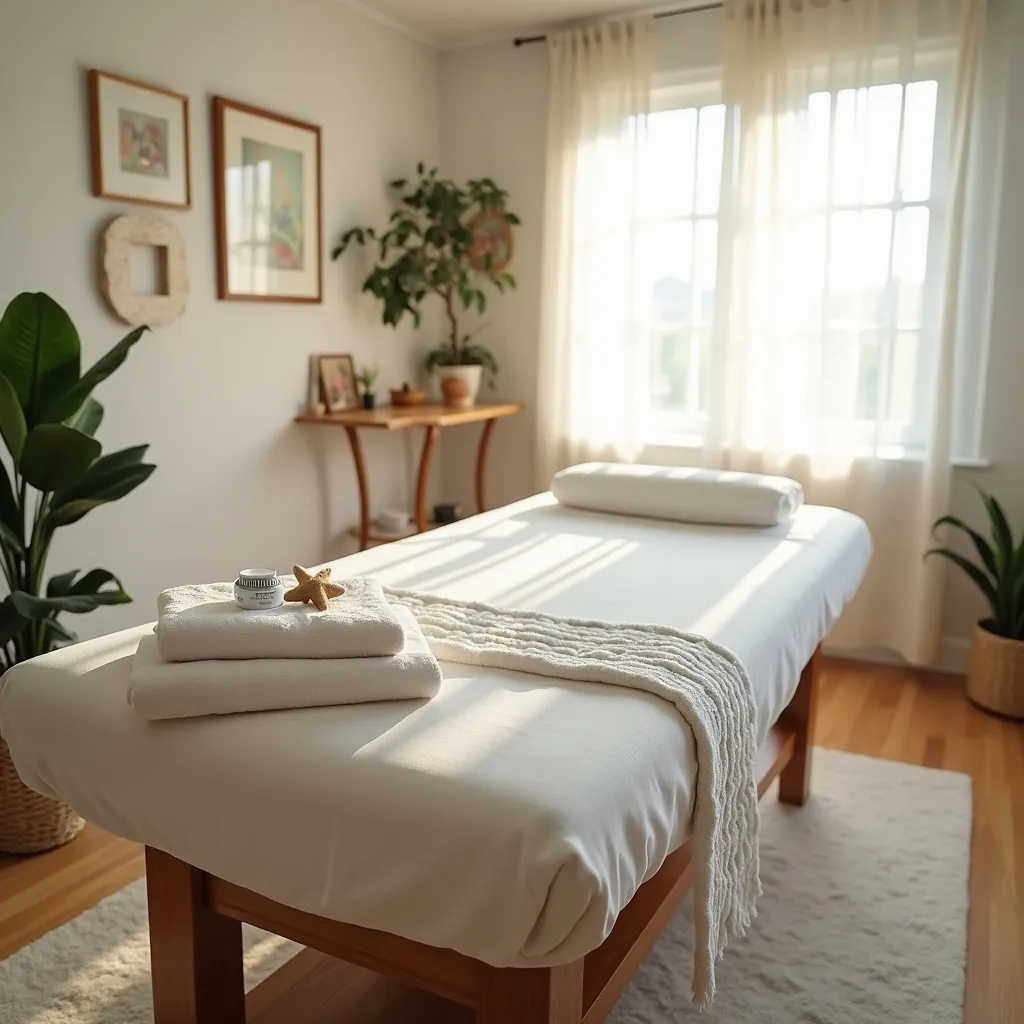
How Therapeutic Massage Addresses Chronic Pain
Medical massage targets the root factors of chronic pain, delivering a comprehensive solution to comfort. By employing specific techniques, such as deep tissue work and myofascial therapy, medical massage addresses both emotional and physical components of pain. Therapists evaluate personal requirements, customizing treatments to reduce discomfort in targeted areas.
Findings show that this technique can ease muscle tension, enhance circulation, and increase flexibility, all of which facilitate pain relief. Additionally, the therapeutic environment promotes relaxation, which can result in decreased stress and better overall health.
Patients routinely convey significant improvements in their pain levels, performance, and quality of life after undergoing medical massage. This practice not only alleviates symptoms but also empowers individuals by providing tools for personal recuperation and improvement. Overall, medical massage functions as an effective adjunct to conventional relief methods, fostering a thorough path toward health restoration.
What Makes up a Refreshing Medical Massage?
A rejuvenating medical massage encompasses a variety of methods designed to promote recovery and stress relief. These techniques often include deep tissue manipulation, trigger point therapy, and myofascial release, each focusing on specific muscle groups and fascia to alleviate tension and discomfort. The application of flowing movements helps enhance blood flow, supplying oxygen and nourishment to problem zones while promoting the elimination of metabolic waste.
Additionally, therapists may use stretching exercises to boost flexibility and joint movement, further aiding in recovery. Aromatherapy oils and soothing music may also play a role, creating an atmosphere favorable for relaxation. Each session is tailored to the individual’s needs, considering factors such as injury history and personal preferences. Ultimately, a restorative medical massage aims not only to alleviate pain but also to foster a sense of overall well-being, making it a holistic approach to health.
How Relaxation Improves Medical Massage Advantages
Creating space for relaxation functions as a key element in maximizing the gains of medical massage. By using stress reduction techniques, patients can realize superior muscle recovery and comprehensive pain relief. This interdependence between relaxation and healing outcomes underscores the centrality of a calm state during treatment.
Stress Reduction Approaches
While various kinds of therapy are used, stress reduction methods serve an vital role in increasing the benefits of medical massage. Techniques such as deep breathing, mindfulness, and guided imagery can greatly lower stress levels, forming a more conducive environment for healing. As individuals apply these techniques before or during a massage, their bodies enter a state of relaxation that increases the massage's effects. This heightened state of calm allows for better muscle response and increased blood flow, promoting pain relief and relaxation. Moreover, reduced stress has the potential to lead to improved mental clarity and emotional well-being, making the overall experience more beneficial. Clients who incorporate stress reduction techniques can maximize the therapeutic benefits of medical massage, resulting in a more profound sense of rejuvenation.
Advanced Muscular Restoration
Muscle recovery is enhanced when the body achieves a state of rest, allowing medical massage to function more successfully. In this calm state, blood circulation increases, helping to deliver oxygen and nutrients to fatigued muscles. This process supports the elimination of metabolic waste, which can cause soreness and stiffness. Furthermore, relaxation reduces muscle tension, permitting more intensive tissue manipulation that boosts the massage's overall effectiveness. The release of endorphins during this process not only eases pain but also creates a sense of well-being. Therefore, the blend of improved circulation, lowered tension, and pain relief results in faster recovery and enhanced performance for individuals, highlighting relaxation as an important aspect of medical massage benefits.
Important Approaches for Powerful Medical Massage
Effective medical massage incorporates a variety of techniques designed to lessen pain and advance healing. Among these techniques, deep tissue massage focuses on correcting deeper sections of muscles and connective tissue, often targeting chronic aches and pain. Trigger point therapy finds and opens specific knots within muscles, providing immediate relief to localized discomfort. Swedish massage, characterized by long, flowing strokes, strengthens relaxation while enhancing circulation and flexibility. Additionally, myofascial release handles restrictions in the fascia, facilitating greater mobility and reducing tension. Sports massage, tailored for athletes, combines techniques to prevent injuries and mitigate muscle soreness post-exercise. Each of these methods can be personalized based on individual needs, securing a thorough approach to pain management. By integrating these techniques, medical massage practitioners aim to create a balanced therapeutic experience that addresses both physical discomfort and emotional stress, ultimately fostering an environment conducive to healing.
Positive Effects of Amplified Circulation By Way of Massage
Massage boosts circulation, which provides several key benefits, including better oxygen useful guide delivery to tissues. The increased blood flow assists remove toxins from the body, promoting overall health. Moreover, enhanced circulation supports muscular repair, enabling quicker healing and decreased pain.
Enhanced Oxygen Supply
As the body experiences the soothing effects of medical massage, improved oxygen delivery becomes a significant benefit of enhanced circulation. The manipulation of soft tissues promotes blood flow, which increases the transport of oxygen-rich blood to muscles and organs. This heightened oxygen delivery not only improves cellular function but also aids tissue repair and recovery. Increased oxygen levels can alleviate fatigue, decrease muscle tension, and promote overall relaxation. Additionally, improved oxygenation may bolster endurance and performance in physical activities. Medical massage therefore plays an crucial role in optimizing the body's oxygen supply, contributing to a more efficient healing process and a heightened sense of well-being. This benefit underscores the importance of incorporating massage therapy into regular health routines.
Poison Cleansing Gains
Adding medical massage regularly into wellness routines can effectively support in the body's toxin removal. The treatment of soft tissues during massage stimulates blood circulation, leading to better delivery of oxygen and nutrients while aiding the elimination of metabolic waste. This mechanism helps to flush out toxins, including lactic acid and other substances that collect in muscles and tissues. Improved circulation also promotes lymphatic drainage, which is vital in immune function and detoxification. As toxins are successfully cleared, individuals may experience reduced inflammation and improved overall well-being. Therefore, medical massage not only delivers quick relief but also fosters a healthier body condition, boosting long-term wellness and health.
Better Muscular Healing
Medical massage markedly accelerates muscle recovery by improving circulation throughout the body. Boosted blood flow transports key nutrients and oxygen to muscles, promoting faster healing and reducing soreness post physical exertion. This method both eases tension and helps in removing metabolic waste products accumulated from intense exercise. Massage also enhances the lymphatic system, thereby supporting toxin elimination. Promoting relaxation while decreasing muscle stiffness, medical massage provides a perfect setting for healing. Athletes and injury recoverees gain significant benefits from this method, due to improved performance and endurance. In summary, improved circulation resulting from massage forms an essential part of effective muscle recovery methods.
How to Choose the Right Medical Massage Therapist?
How can an individual guarantee they identify the right medical massage therapist? The decision-making process initiates with verifying credentials. A qualified therapist should carry applicable certifications and licenses, confirming they have completed proper training. Additionally, gathering referrals from healthcare providers or reliable individuals can be invaluable.
Next, it is necessary to review the specialist's credentials, mainly in managing certain disorders or injuries. This competence can markedly influence treatment outcomes.
Additionally, a prospective client should evaluate the therapist's style of communication; a quality therapist will pay close attention and offer a comprehensive consultation to meet individual needs.
Finally, the surroundings plays a vital role in the overall experience. A neat, peaceful space can enhance relaxation and comfort. By adhering to these recommendations, people can more effectively manage their choices, ultimately leading in a more effective and satisfying medical massage experience.
What to Expect During Your First Medical Therapeutic Session?
During the initial therapeutic massage appointment, clients can generally expect a well-organized and instructive process. Upon arrival, they will likely fill out a medical questionnaire, outlining medical history and specific areas of concern. This data helps the therapist customize the treatment to personal requirements.
After this, a conversation will take place, enabling the therapist to explain any questions and set treatment goals. Clients are urged to speak freely about their comfort levels throughout the session.
A therapeutic massage may incorporate various techniques, zeroed in on reducing pain and promoting ease. Recipients should be informed that pressure levels can be changed to suit their choices.
After the appointment, mental health professionals often provide recommendations for continued treatment or self-management strategies, stressing the importance of continuous dialogue. In summary, the first session seeks to build trust and establish the foundation for successful therapy going forward.
Common Questions Asked Often
Does Medical Massage Offer Help for Managing Anxiety and Stress?
Massage treatment can definitely assist with stress reduction and anxiety relief. By facilitating relaxation and reducing muscular tension, it helps people manage emotional turmoil, enriching holistic wellness and fostering a sense of tranquility in their lives.
How Frequently Should I Get a Therapeutic Massage for Best Results?
To achieve best outcomes, it is generally advised that people get therapeutic massage sessions once a week. Nevertheless, frequency may differ based on your individual needs, specific conditions, and professional guidance from a certified massage therapist.
Is Clinical Massage Safe for All, Encompassing Pregnant Individuals?
Medical massage is commonly safe for many individuals, including pregnant individuals, but it is vital to consult a healthcare expert beforehand. Tailored assessments guarantee that distinct conditions and individual needs are addressed appropriately for safety.
What Ought to I Wear During a Medical Massage Session?
During a medical massage session, individuals should put on relaxed, baggy attire that permits easy mobility. Underwear are ordinarily sufficient, but patients may also select a robe supplied by the massage professional for enhanced comfort.
Do Medical Massage Treatments Have Any Potential Negative Effects?
Therapeutic massage may create temporary reactions like discomfort, bruising, or fatigue. Periodically, individuals might go through emotional releases or increased sensitivity. Consulting with a practitioner can help manage any concerns before and after your session.
Report this page